Electric propulsion systems and increasingly intelligent control technologies are transforming the recreational boating industry. YANMAR is contributing to this evolution with innovative solutions that combine efficiency, connectivity, ease of installation and a reduced environmental impact.
Among its latest developments are two key technologies: the YANMAR SDe electric saildrive and the new VC30 boat control system.
Although they serve different purposes, both solutions reflect the same trend: making boating more efficient, quieter, easier and more connected.
YANMAR SDe: Electric Propulsion for Sailboats
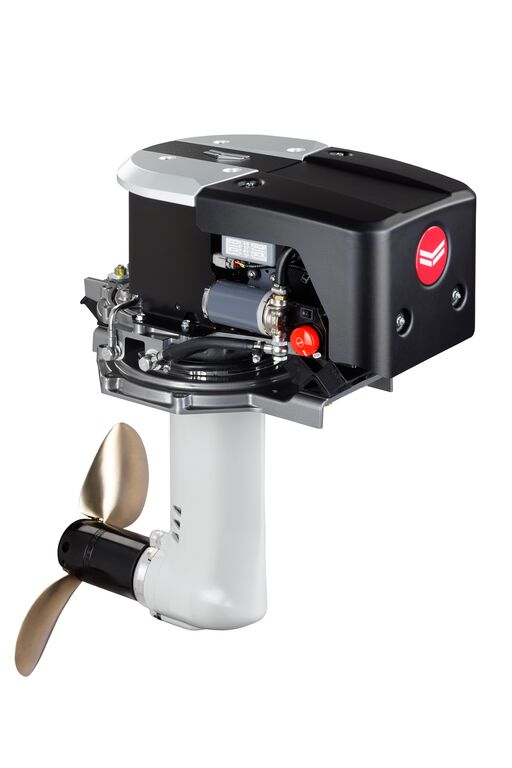
The YANMAR SDe range represents the company's commitment to electric marine propulsion.
This 48 V electric saildrive is available in three power ratings: 7, 10 and 15 kW. The range is designed for sailboats and vessels of up to approximately 40 feet, depending on displacement and the specific characteristics of the boat.
One of the main advantages of this technology is the onboard experience. Powered by batteries, an electric motor produces no direct exhaust emissions and significantly reduces the noise and vibrations associated with conventional combustion engines.
The result is a much quieter boating experience, particularly beneficial during harbour manoeuvres, when anchoring or when motoring over short distances.
An Electric Saildrive Designed for Easy Installation
Electrifying a boat involves more than simply replacing one engine with another. Installation requirements, available space and the modifications needed to the vessel are all important considerations.
In this respect, one of the key advantages of the YANMAR SDe is its integration-focused design. The system is based on YANMAR's existing saildrive platform and is also intended for repowering projects, potentially allowing owners to convert their sailboats to electric propulsion without making structural modifications to the hull in suitable applications.
The motor, transmission, controller and cooling system form a compact solution designed to simplify installation and maintenance.
For owners considering replacing their sailboat's conventional combustion engine, this offers an interesting route towards electric propulsion, potentially without the need for major structural alterations to the vessel.
Reduced Noise and Maintenance
Another advantage of electric propulsion is the reduced number of mechanical components compared with a conventional combustion engine.
YANMAR highlights the low-maintenance design of the SDe, together with its integrated cooling system. The range uses LiFePO4 lithium-ion batteries and has been developed as a compact, user-friendly solution.
However, the actual range will always depend on several factors, including battery capacity, vessel displacement, cruising speed and weather and sea conditions. Choosing the right electric propulsion system therefore requires careful consideration of how the boat will be used.
VC30: control inteligente para una navegación más sencilla
Electrification is not the only area in which marine technology is evolving.
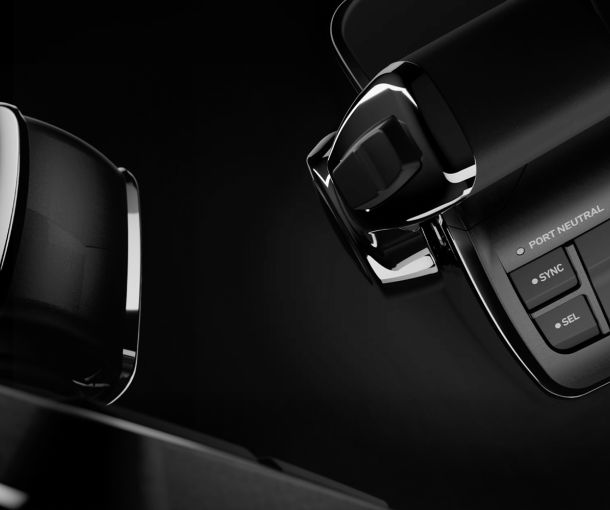
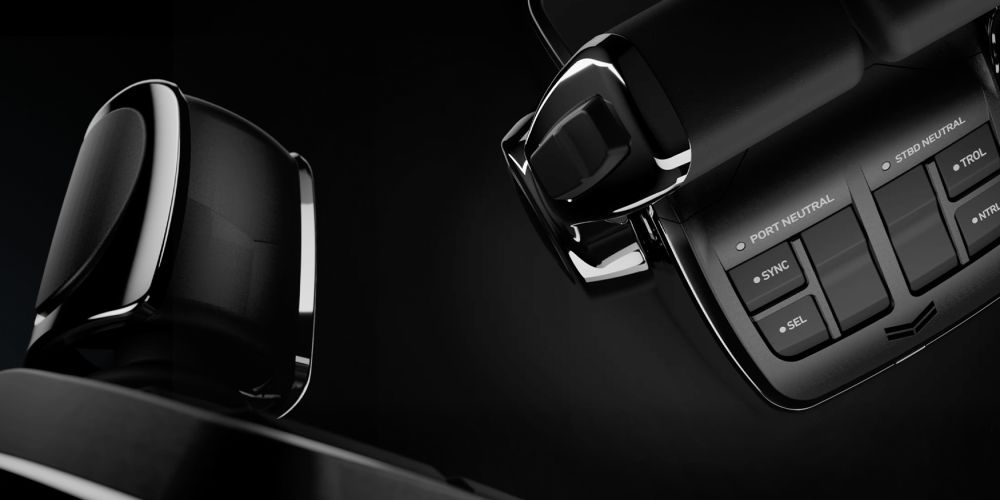
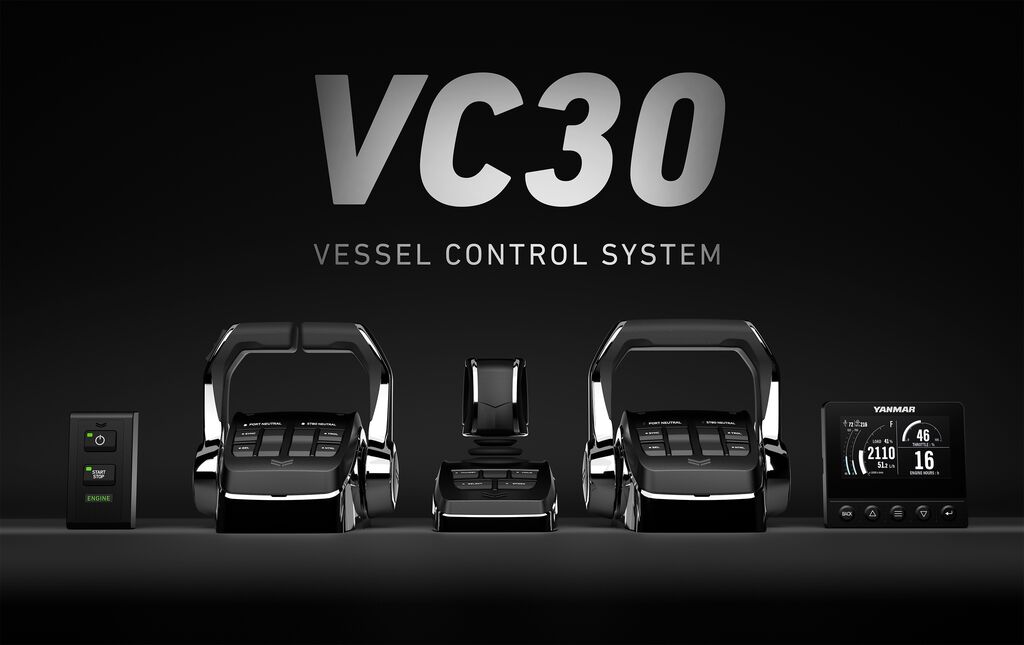
YANMAR has also introduced the VC30, its third-generation boat control system, and it's available in all ranger from the 3JH40 (40hp) untill the 6LT640 (640 hp) Its purpose is to simplify the operation of the propulsion system and improve the helm experience, particularly during manoeuvring and docking.
The VC30 features a 4.3-inch colour TFT display, a control lever and NMEA 2000 connectivity, alongside a design that reduces the number of components required for installation.
The system can also incorporate a maneuvre jostick that can work with VETUS bow thrusters, helping integrate different control functions into a more unified operating experience.
For boat owners and skippers, the benefits are straightforward: greater control of the vessel and clearer access to essential information.
The Boating Industry Is Moving Towards Greater Efficiency
YANMAR's latest developments reflect a wider transformation already underway in the marine industry.
Technology is no longer focused solely on delivering more power. Factors such as fuel consumption, emissions, noise, maintenance, connectivity and ease of use are becoming increasingly important when choosing a boat's propulsion system.
Electrification is one of the main drivers of this change.
At the same time, there is no single solution that suits every vessel. The requirements of a cruising sailboat, a boat used for daily trips or a larger motor yacht can be very different.
For this reason, YANMAR is pursuing its “Power of Choice” approach, offering electric solutions alongside advanced combustion engines, including engines compatible with HVO renewable diesel fuel.
This strategy recognises an important reality: the right propulsion system depends on the boat, its intended use and the owner's priorities.
Is Electric Propulsion the Future of Boating?
There may not be a single answer to this question.
What is clear, however, is that electric boat propulsion is likely to become increasingly important, particularly in applications where quiet operation, zero direct exhaust emissions and reduced maintenance offer significant benefits.
The YANMAR SDe is a good example of how this technology can be integrated into recreational vessels, while systems such as the VC30 demonstrate how electronics and connectivity are also changing the way boats are controlled.
The boating industry is moving towards more efficient, quieter and better-connected vessels. With solutions such as the SDe and VC30, YANMAR is contributing to this transformation by offering different technologies to meet the needs of different boat owners.
At Motonáutica Ibiza, we will continue to follow these developments and share the latest innovations shaping the future of boating.